Who is the ICFMA
The Institute of Certified Financial and Management Analyst (ICFMA) exists to promote the professional development and welfare of its qualified members and, to represent its members' special interests and needs. Because of its niche in the corporate world, it is the organization with grass roots contact with their members.
The Institute of Certified Financial and Management Analyst (ICFMA) is an independent organization of professional Financial and Management Analyst approved by Australian Securities and Investments Commission, Govt. of Australia, which exists to promote the professional development and welfare of its members and to represent members' special interests and needs in Australia and Overseas. Because of its niche in the corporate world, it is the organization with the grassroots contact with members.
ICFMA has been striving to become a Professional Certification Organization for a long time and its now established an autonomous and not-for-profit professional organization in Australia.
ICFMA Members include:
- Certified Financial Analysts (CFA, Australia)
- Certified Management Analysts (CMA, Australia)
- Certified Professional Financial Accountants (CPFA, Australia)
The ICFMA qualification and membership support your career development and help you achieve your professional goals. Whether you're working as a financial analyst or holding a managerial position in the corporate sector, the ICFMA ensures that you are both qualified and properly trained to uphold the highest professional standards and ethical practices. Becoming a member of ICFMA allows you to actively contribute to the growth of your profession and the advancement of financial and management services within the industry.
Our website provides forms and guidelines for both becoming a qualified ICFMA member and renewing your existing membership. It also offers details about upcoming ICFMA CPD events, news, media releases, and valuable resources for members.
For more information about ICFMA, please explore our website or reach out to us via our contact page.
ICFMA Vision & Mission
Vision Statement
Our goal is to be the preferred professional institute for financial and management analysts, as well as accounting practitioners, in the corporate world.
Mission Statement
Our aim is to foster a strong and respected professional network among financial and management analysts, as well as qualified accountants, by offering membership, services, and qualifications that are recognized and highly valued in the corporate world.
The ICFMA is committed to adding value to our members by:
- Offering an updated course curriculum and case studies with flexible learning options
- Providing Continuing Professional Development opportunities
- Upholding high standards of professional conduct
- Representing our members to ensure they receive the recognition they deserve
What We Expect from Our Team:
- A genuine care and commitment to our members
- Full dedication to both our members and the ICFMA
- A willingness to embrace challenges, with job security as a valued benefit
- A focus on providing productive, fulfilling, and engaging professional experiences
- A commitment to treating others with the same respect and consideration we expect for ourselves
Role of the ICFMA
The ICFMA plays a crucial role as an active and consistent advocate for the corporate sector on issues relevant to its members. It also maintains strong connections with relevant Australian authorities, tertiary institutions, and other organizations that may impact the interests of its members.
ICFMA Aims and Objectives
- To provide a platform for representing the corporate sector on issues of interest to its members.
- To remain responsive and attentive to the needs and concerns of its members.
- To monitor developments in the fields of financial analysis and management, keeping members informed.
- To organize seminars and conferences on strategic business topics of broad interest to members and the corporate community.
- To offer membership to graduates with a major in finance, strategic management, or accountancy as a form of professional certification.
- To admit financial analysts, management experts, and qualified accountants who meet the educational standards and experience requirements set by the ICFMA Membership Committee.
- To promote excellence by sponsoring outstanding students at various institutions for awards in finance, management, and accounting.
- To secure widespread recognition for the ICFMA within the corporate world both in Australia and internationally.
- To foster cooperation and build relationships with other professional bodies and related organizations.
The Executive Board
The executive board is the ultimate authority of the ICFMA, Australia. The executive board is authorized to formulate the policy and guidelines of ICFMA and regulate the various councils. The executive board is comprising of highly experienced academician and senior level executive different corporate sector.

Mr. P. Bhandari

Prof. Dr. Devi Bedari

Mr. Jackton Downard
Cure Blindness Project USA

Mr. Chris Agnew
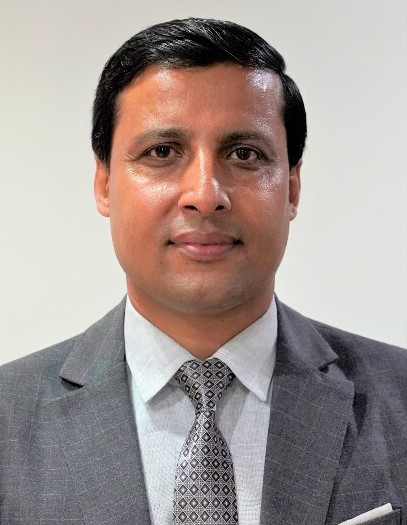
Mr. R.C Khanal
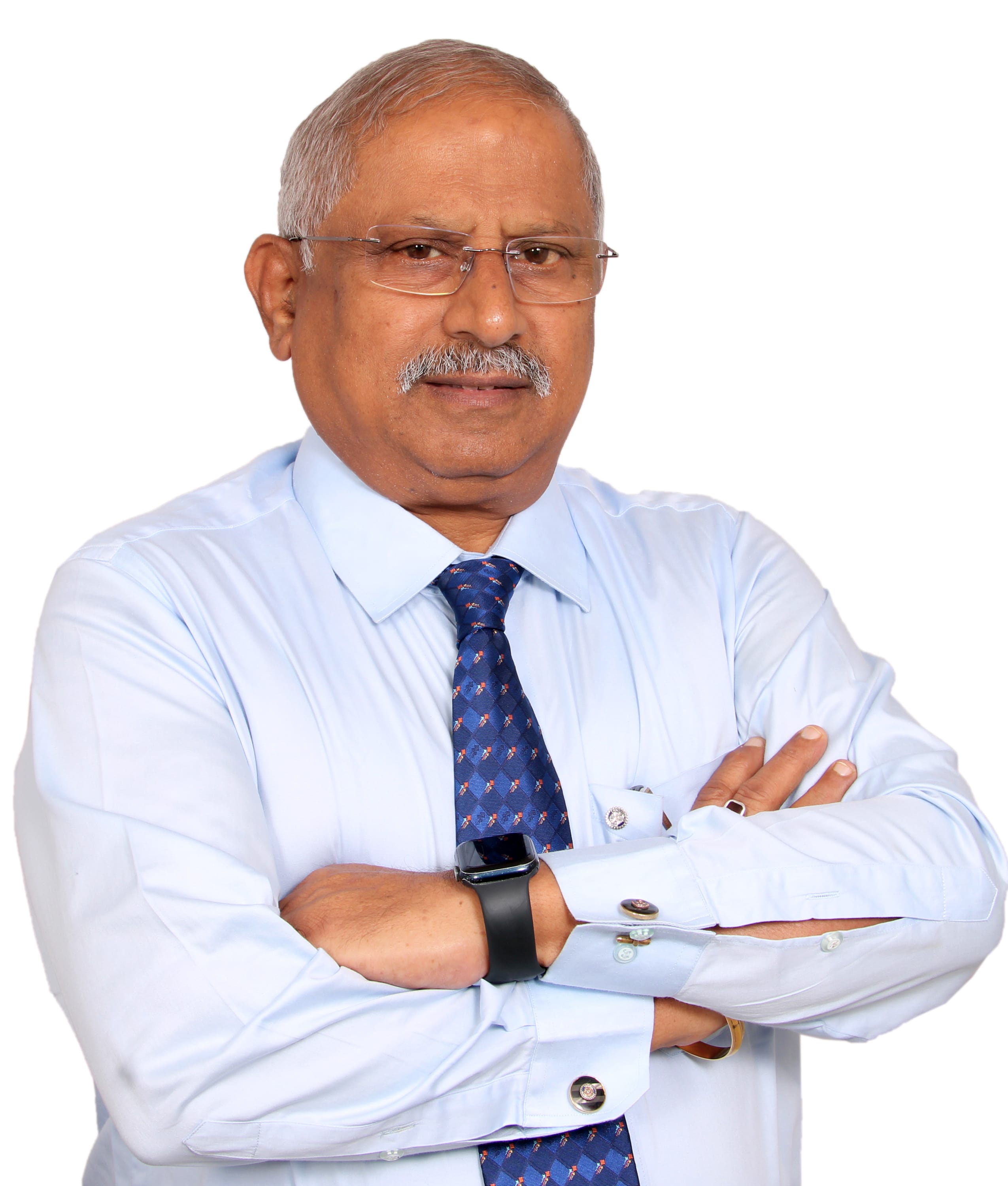
Mr. M. Bandaru

Mr. Michael Joseph Francis Gould
Academic Council
The Academic Council is principal academic and training body of the ICFMA. The council shall function subject to the provisions the Charter of ICFMA and shall have the control over and be responsible for the maintenance of standards of education, teaching and training, inter departmental co-ordination, research and tests with in the ICFMA. The Academic Council is responsible for the following subject.
- Professional Course
- Post Qualification Course
- Professional Training
- Workshop, Seminar, Symposium
- Continuous Professional Development (CPD)
- MOU/MRA with Universities/Foreign Institution
- Membership for Int'l Alliance / Association
The Academic Council is led by one of the executive board members comprising of highly experienced academician and senior level executive different corporate sector.
Quality Assurance and Ethics Council
The Quality Assurance and Ethics Council is a body to setup Standard, Quality Assurance on Finance, Management and Accounting Service and Code of Conduct for the working professional in the field Finance, Management and Accounting. The council formulates necessary policies and strategies to implement the Quality Assurance and Practice Guidelines. The Academic Council is responsible for the following subject.
- Strategic Financial and Management Standard
- Professional Ethics and Code of Conduct
- Action to be taken for wrong doing and recommend to cancel membership to the Board
The Quality Assurance and Ethics Council is led by one of the executive board members comprising of highly experienced academician and senior level executive different corporate sector.
Examination & Membership Council
The Examination & Membership Council is the principal body to conduct examination, tests and the declaration result as well as provide the membership of the ICFMA. The council is responsible for the following subject.
- Examination for professional qualifications
- Examination for post qualification courses
- Issue/renewal of membership
The Examination & Membership Council is led by one of the executive board members comprising of highly experienced academician and senior level executive different corporate sector.
Audit Committee
The audit committee is a committee setup under ICFMA board of directors which is responsible for oversight of the financial reporting process, selection of the independent auditor, and receipt of audit results both internal and external. Audit committees also oversee the system of internal controls and ensure that the company is compliant with laws and regulations. The committee is responsible for the following subject matter
- Reporting of financial information to users of financial reports;
- Internal control system;
- Risk management system;
- Protection of an entity's assets;
- Compliance with applicable laws, regulations, standards and best practice guidelines;
- Facilitating communication between the board of directors and the internal and external auditors;
- Facilitating the maintenance of the independence of the external auditor;
- Consideration of significant matters that were raised during the audit process.
The Audit Committee is led by one of the executive board members comprising of highly experienced academician and senior level executive different corporate sector.